
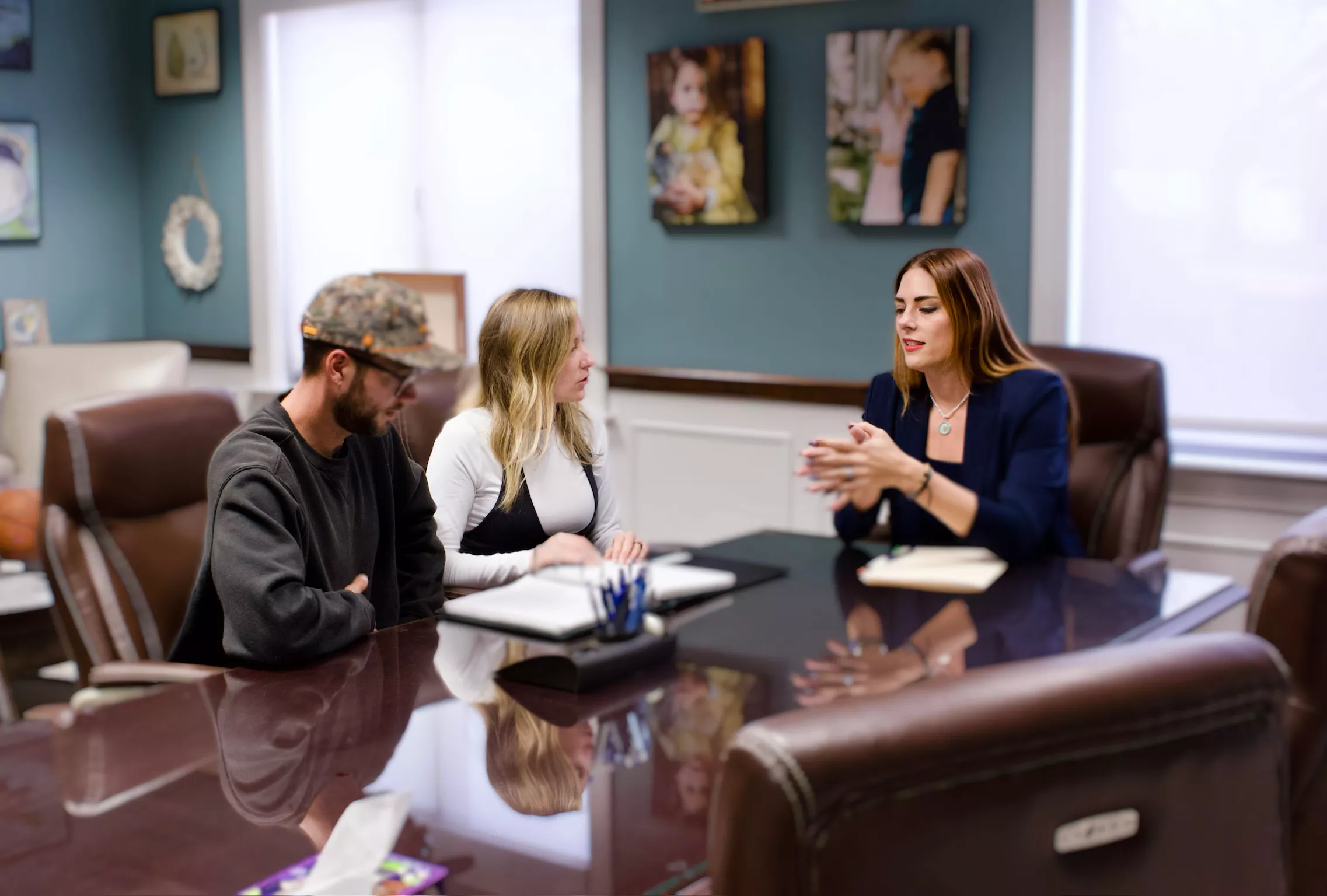


Probate in Massachusetts is the court process that appoints a personal representative, collects and manages a person’s assets after death, pays valid debts and taxes, and distributes what remains to heirs. For families who are grieving, it can feel confusing, technical, and rushed. Shore Estate Law helps families and personal representatives in Wareham, Onset, Plymouth County, and nearby South Shore and South Coast communities handle probate filings, deadlines, notices, and coordination with Plymouth Probate and Family Court.
If you have recently lost a loved one, been named as personal representative, or received a notice from the probate court and are not sure what to do next, you can talk with Shore Estate Law about your options, your responsibilities, and the path forward.
Estate Probate Services for Wareham and South Shore Families
When someone dies, families in Wareham and nearby communities are often dealing with shock, grief, and urgent practical questions at the same time. Mail from the court arrives, banks ask for documents, and relatives may have strong opinions about what should happen with a home or family belongings. It can be hard to know which tasks are urgent, which can wait, and what the law actually requires.
Shore Estate Law focuses on probate and estate administration support, not just filling out forms. For families in Wareham, Onset, Plymouth, Marion, Mattapoisett, Rochester, Middleborough, and surrounding South Shore and South Coast communities, that means helping you understand which probate path applies, what the court expects from the personal representative, and how to balance legal duties with family dynamics.
Instead of leaving you to guess, we walk through what the estate owns, whether there is a will, and what needs to be filed with Plymouth Probate and Family Court. We help you sort out creditor letters, understand which bills must be paid from estate funds, and track deadlines so you are not surprised later. You stay in control of decisions, while we guide you through the steps one by one.
Common starting points for families when probate begins include:
- A recent death where you have just found the will or learned that there is no will at all.
- Being named as personal representative for a Wareham area estate and feeling unsure what that role involves.
- Receiving court paperwork or creditor notices and feeling overwhelmed by the deadlines and legal terms.
What Does an Estate Probate Attorney Do for Families in Wareham?
An estate probate attorney in Wareham helps the personal representative, sometimes called an executor, carry out their responsibilities under Massachusetts law. That work includes identifying and gathering estate assets, preparing and filing the correct petition and forms with Plymouth Probate and Family Court, meeting required deadlines, and making sure notices go to the right heirs, devisees, and creditors.
The attorney also advises the personal representative on which debts must be paid, how to handle claims, how to manage estate funds while probate is open, and how to make distributions once obligations are satisfied. Throughout the process, you receive clear explanations in plain language so you understand what the court expects and what decisions belong to you.
How Does Shore Estate Law Help South Shore Families Through Probate?
Shore Estate Law combines local knowledge of Plymouth Probate and Family Court procedures with a practical, family centered approach. We help you organize documents, gather information about real estate and accounts, and prepare the court filings that start and advance the case. We also track hearing dates, notice periods, and reporting requirements so important steps are not missed.
When heirs live in different parts of Plymouth County or across the South Shore, we help coordinate communication and set expectations about timing and process. If questions come from the court, creditors, or family members, we help you respond in a way that is accurate, respectful, and consistent with your legal duties. A more detailed step by step overview of how we guide you appears later in the section on how our firm supports you from start to finish.
Understanding the Probate Process in Massachusetts
Probate in Massachusetts is governed by the Massachusetts Uniform Probate Code, which sets out how estates are opened, how personal representatives are appointed, and how assets and debts are handled. Not every estate uses the same path. Some estates qualify for informal probate, some require formal probate, and some small estates may use voluntary administration.
Probate is usually required for property that was owned in the name of the person who died and that does not pass by beneficiary designation, joint ownership, or a trust. Assets such as life insurance with named beneficiaries, payable on death accounts, and trust property often pass outside the probate process. Understanding which assets need probate and which do not is an important early step, and a probate attorney can help you make that distinction.
What Is Probate and When Is It Required in Massachusetts?
Probate is the court supervised process that transfers legal authority from someone who has died to a personal representative, who then manages and distributes the estate. The personal representative collects assets that belong to the estate, pays valid debts and expenses, and distributes what remains according to the will or, if there is no will, according to Massachusetts intestacy law.
Probate is usually required when the person who died owned assets in their own name alone without a joint owner and without a beneficiary designation or trust. Common examples include a house titled only in the decedent’s name, individual bank accounts, or investment accounts without transfer on death instructions. Some smaller estates may use simplified procedures, and some assets may fall outside probate entirely. A later section of this page addresses which assets do and do not go through probate in more detail.
What Is the Difference Between Informal and Formal Probate in Massachusetts?
Massachusetts recognizes both informal and formal probate under the Massachusetts Uniform Probate Code. Both paths involve the Probate and Family Court, but they differ in the level of court oversight and in how quickly and simply an estate can move forward.
Here is a general comparison:
|
Type of Probate |
Court Oversight |
Typical Use Cases |
Relative Complexity and Timing |
|
Informal Probate |
Limited, mostly paper based review |
Straightforward estates with a clear will and no disputes |
Usually simpler and faster when requirements are met |
|
Formal Probate |
Greater, with potential hearings |
Contested wills, unclear heirs, or complex circumstances |
More structured, may involve more steps and more time |
An attorney can help you determine whether an estate is likely to qualify for informal probate, or whether formal probate is more appropriate because of disputes, uncertainty, or title issues.
What Is Voluntary Administration for Small Estates in Massachusetts?
Voluntary administration is a simplified procedure available for certain small estates that meet specific Massachusetts requirements. It is often used when there is no real estate in the estate and only modest personal property or small accounts that need to be collected and distributed.
In a voluntary administration, a voluntary personal representative can collect assets and pay debts up to the allowed limits without going through a full informal or formal probate process. This option can save time and expense when it fits, but it is not available in every situation. A probate attorney can review the size and makeup of the estate and help you decide whether voluntary administration is an option or whether a standard probate petition is required.
Roles and Responsibilities of a Personal Representative (Executor)
Serving as personal representative is both an honor and a legal responsibility. You are stepping into a role that carries duties to the court, to creditors, and to the people who will inherit. Many people accept the role out of love and trust, then realize they are unsure what the law expects from them. Clear guidance about responsibilities can make the job more manageable and can help you avoid mistakes that cause delays or disputes.
What Are My Duties as Personal Representative of an Estate in Massachusetts?
A personal representative in Massachusetts is responsible for managing the estate according to the law and the will, if there is one. Core duties typically include:
- Filing the appropriate probate petition and required notices with the Probate and Family Court.
- Locating, safeguarding, and preparing an inventory of the estate’s assets.
- Providing required notices to heirs, devisees, and known creditors.
- Reviewing and paying valid estate debts, expenses, and taxes from estate funds.
- Making distributions to heirs and beneficiaries according to the will or intestacy rules once obligations are satisfied.
- Preparing and filing paperwork to close the estate with the court when administration is complete.
A probate attorney can help you prioritize tasks and complete them in the right order so the estate moves forward steadily.
What Happens If a Personal Representative Makes a Mistake During Probate?
Mistakes during probate can lead to extra expense, court delays, and, in some cases, personal liability for the personal representative. Examples include distributing assets too early before resolving creditor claims, missing important deadlines, failing to provide notices, or paying one creditor in a way that harms others.
If errors cause losses to the estate or to heirs, the personal representative may have to answer for those decisions. Working with a probate attorney helps you understand the rules and avoid common missteps so you can fulfill your role with more confidence and less risk.
Can a Probate Attorney Help Me Communicate With Heirs and Creditors?
Yes. A probate attorney can help you draft clear letters, respond to questions from heirs and creditors, and explain what the law allows and requires at each stage. This support can reduce misunderstandings, especially when family members are under stress or when expectations do not match what the law provides.
An attorney does not replace your judgment as personal representative, but can act as a guide and translator, helping you share accurate information and set realistic timelines while you stay in charge of decisions.
Types of Probate and Estate Administration Matters We Handle
Not every estate looks the same. Some involve a clear will and cooperative heirs. Others involve no will at all, complicated family relationships, or real estate that must be sold or transferred. Shore Estate Law focuses on probate and estate administration, rather than heavy contested litigation, and helps families manage these different situations in a structured way.
When disputes arise, such as challenges to a will or serious conflicts among heirs, we can coordinate with litigation counsel while continuing to guide the personal representative through day to day administration tasks.
Common types of probate and estate administration matters we handle include:
- Estates with a valid will that must be admitted to probate in Plymouth Probate and Family Court.
- Estates without a will, where Massachusetts intestacy rules determine who inherits.
- Estates that include real estate in Plymouth County or along the South Shore, such as family homes, cottages, or coastal properties.
- Estates where small estate or limited probate procedures may apply to some assets, while others still require a standard probate.
How Do You Handle Probate When There Is No Will?
When there is no will, Massachusetts intestacy law decides who is entitled to inherit. The court can appoint a personal representative, often a close family member, to gather and manage assets, pay valid debts, and distribute what is left according to those default rules.
Shore Estate Law helps families in this situation understand who the heirs are under the law, what steps the personal representative must take, and how to handle questions from relatives who may have different expectations. Even without a written will, there is a clear legal process to follow, and you do not have to navigate it alone.
What Happens If the Estate Includes Real Estate in Plymouth County or Along the South Shore?
Real estate often shapes how probate needs to proceed. A house in Wareham, a condo in Plymouth, or a coastal property along the South Shore may need to be sold, transferred to one or more heirs, or refinanced. Title issues, unpaid taxes, or liens can add complexity.
We help personal representatives understand how the court process interacts with recording requirements at the Registry of Deeds, what steps are needed before a sale or transfer, and how to handle situations where some beneficiaries want to keep the property and others prefer to sell. Clear planning around real estate can make it easier to reach a resolution that follows the law and respects family needs.
Do All Assets Have to Go Through Probate in Massachusetts?
Not all assets must go through probate. Jointly owned property with rights of survivorship, life insurance with named beneficiaries, retirement accounts with proper beneficiary designations, and assets already held in a trust often pass directly to the named person or entity without court involvement. Only assets owned in the decedent’s name alone and without these arrangements typically require probate.
A probate attorney can help you review the assets in an estate, identify which ones require court action and which do not, and choose the right process described in the earlier section on probate types.
How Our Firm Guides You Through Probate From Start to Finish
Knowing what to expect can make probate less intimidating. Shore Estate Law uses a clear, step by step approach that combines local familiarity with Plymouth Probate and Family Court, realistic timelines, and regular communication. We meet with clients at our Wareham area office and also offer virtual meetings for families across Plymouth County and the South Shore and South Coast.
A typical probate engagement often follows a path like this:
- Initial conversation and document review to understand the estate, the will or intestacy situation, and any court deadlines or notices.
- Preparing and filing the probate petition, supporting documents, and required notices with the Probate and Family Court.
- Guiding the personal representative through gathering assets, responding to creditor claims, and completing required court inventories or reports.
- Reviewing when the estate is ready for distributions, then helping carry out those distributions according to the will or intestacy rules.
- Completing final filings with the court and helping the personal representative wrap up remaining tasks so the estate can be closed.
What Are the Steps in the Probate Process in Massachusetts?
While every estate is different, most Massachusetts probate matters move through a similar sequence. The court first appoints a personal representative through an informal, formal, or voluntary process. Once appointed, that person gathers information, notifies heirs and creditors, and manages estate assets while debts and taxes are addressed.
After obligations are resolved and any required waiting periods pass, the personal representative can distribute remaining assets according to the will or the intestacy rules, then complete the steps to close the case with the Probate and Family Court. The exact details depend on whether the estate uses informal probate, formal probate, or voluntary administration, as described earlier, and on the size and complexity of the estate.
How Long Does Probate Usually Take for a Wareham Estate?
The time needed to complete probate for a Wareham area estate varies. Many straightforward informal probate cases can move from appointment to final distributions in a period measured in months, while more complex estates or those involving formal probate, disputes, or real estate sales can take longer. Court schedules, tax issues, and creditor claims also affect timing.
At the start of a case, we discuss what is realistic for your situation, explain the typical time frames for the type of probate involved, and update you as the matter progresses. While no attorney can promise a specific completion date, having a clear roadmap can reduce uncertainty.
Will I Have to Go to Probate Court in Plymouth?
Some probate matters require in person or remote appearances, while others can be handled mostly through paperwork filed by your attorney. Informal probate often involves fewer court events, while formal probate or contested issues may require hearings.
If you do need to appear, we explain what to expect, help you prepare, and attend with you so you are not facing the process alone. When court appearances are not required, we handle filings and communication with the court while keeping you informed.
Common Probate Questions From Wareham and South Shore Families
Families often have the same core questions when they first hear the word probate. Clear, local answers can help you decide what to do next and whether you need help from an attorney.
Do I Need a Probate Attorney in Massachusetts, or Can I Handle This Myself?
Some very simple estates with few assets and no disputes may be handled by a personal representative without an attorney, especially if the family is comfortable working with court forms and deadlines. However, the duties and risks described earlier can be significant, and many people feel more comfortable having legal guidance when real estate, multiple heirs, or creditor issues are involved.
Shore Estate Law can help you decide how much support you need and can scale services to match the complexity of the estate.
How Much Does a Probate Lawyer Cost in Massachusetts?
Probate fees in Massachusetts vary based on the complexity of the estate, the type of probate involved, and the amount of work required. Some matters can be handled with flat or package-based fees for certain stages, while others use hourly billing when issues are less predictable. Court costs and third-party expenses are separate from legal fees.
At Shore Estate Law, fee structures are explained clearly at the beginning of an engagement so you understand how charges will work before you decide how to proceed. Asking about fees and estimates is a normal and important part of your first conversation.
Can Probate Be Avoided in Massachusetts With a Will or Trust?
A will does not avoid probate in Massachusetts. Instead, it tells the probate court how you want your probate assets distributed. Some assets can avoid probate through joint ownership, beneficiary designations, or a properly funded trust, which can reduce the need for a full court process for those items.
The earlier section on understanding probate explains when probate is required and when other planning tools may change the path. An estate planning attorney can help you use wills, trusts, and non-probate transfers to shape what your own estate will look like in the future.
Schedule an Estate Probate Consultation
If you are facing probate after a loss, you do not have to figure out the process, paperwork, and deadlines on your own. A consultation with Shore Estate Law gives you a chance to explain your situation, share the documents you have received, and ask questions about what the Probate and Family Court expects. The goal of the first meeting is to understand the estate and your concerns, not to pressure you into any particular choice.
At the end of that conversation, you should have a clearer sense of what type of probate applies, what steps need to happen next, and how our firm can assist if you choose to work together.
When Should I Call an Estate Probate Attorney in Wareham?
You may want to call an estate probate attorney in Wareham when:
- You have recently lost a loved one and been named as personal representative in a will or court notice.
- You have received paperwork from Plymouth Probate and Family Court and are unsure how to respond.
- The estate includes real estate, significant debts, or complex family circumstances, and you do not know how to proceed.
What Should I Bring to My First Probate Meeting?
To make your first meeting as productive as possible, it helps to bring:
- The original will and any other estate planning documents you can locate.
- A death certificate, if one is available.
- A simple list of the estate’s assets and debts, including real estate, bank accounts, loans, and credit cards.
- Any court papers, notices, or creditor letters you have received.
If you cannot gather everything before the meeting, you can still come in. We can help you identify what to collect and in what order. And remember, at any stage of the process you can contact Shore Estate Law to schedule an estate probate consultation and talk about a plan for moving forward.
What people say about Shore Estate Law Services
Posted on GoogleTrustindex verifies that the original source of the review is Google. The team at Bello & Morton are professional and friendly. They made our estate and future planning seamless. It's not fun thinking about the "what ifs" but life happens and we're now very confident our assets and family are protected if anything were to happen to one or both of us. Highly recommend this team.Posted on GoogleTrustindex verifies that the original source of the review is Google. My husband and I truly appreciate all the help Jill and her team provided to us when we were putting together our will and trust! Everyone in the office was so helpful, very professional, and always went up and beyond to offer assistance, reschedule appointments and answer all of our many questions! Having all of our wishes legally documented is very important to us and for our children and grandchildren. A big “Thank You” to everyone.Posted on GoogleTrustindex verifies that the original source of the review is Google. Outstanding job. Pleasant to work with. Takes time to review and answer questions. Highly recommend !Posted on GoogleTrustindex verifies that the original source of the review is Google. Great service: friendly, efficient, went above and beyond. Highly recommend.Posted on GoogleTrustindex verifies that the original source of the review is Google. March 6, 2025 I first found Atty. Morton through the Wareham COA. Since then she and her office employees have been very helpful with my wills, my home issues and with my Power of Attorney documents. I would highly recommend her and her employees, My go-to person has mostly been Jenn. She has been easy to deal with and always gives me answers Marilyn RussellPosted on GoogleTrustindex verifies that the original source of the review is Google. My family had the best interactions and service with Lawyer, Jillian Morton when setting up our Trust and Will. Jilian and her staff, Jen and Lindsey made the experience painless. The advise they provided made us feel secure in the decision we made. We cannot thank them enough! I highly recommend Jilain and her Firm for any legal dealing you may need. I certainly will be using them for any future needs.Posted on GoogleTrustindex verifies that the original source of the review is Google. I was very glad that I had chosen to go to Attorney Jilian A. Morton for putting a trust in place. She and her staff guided me on all that was necessary to complete everything I needed, to protect all my Assets. I believe it’s the best thing we can do out of love for our family. Now, my only living sister, need not worry about a thing if something were to happen to me suddenly. Thank Attorney Jillian doing such a wonderful job. Rachel-Anne L’HeureuxPosted on GoogleTrustindex verifies that the original source of the review is Google. I had a great experience with Bello and Morton. Attorney Morton and her staff are top-notch and helped me navigate through the process of probate, after my mom‘s passing. I highly recommend this law office for any of your legal needs. They were a great team to work with.Posted on GoogleTrustindex verifies that the original source of the review is Google. Very satisfied the way we was greeted right through the process of creating a living trust. Very professional and friendly. Will highly reccomend this firm. Thank you for your services.Posted on GoogleTrustindex verifies that the original source of the review is Google. I would highly recommend this law firm. Friendly and very personable. I am happy that I found them.Load moreVerified by TrustindexTrustindex verified badge is the Universal Symbol of Trust. Only the greatest companies can get the verified badge who has a review score above 4.5, based on customer reviews over the past 12 months. Read more