
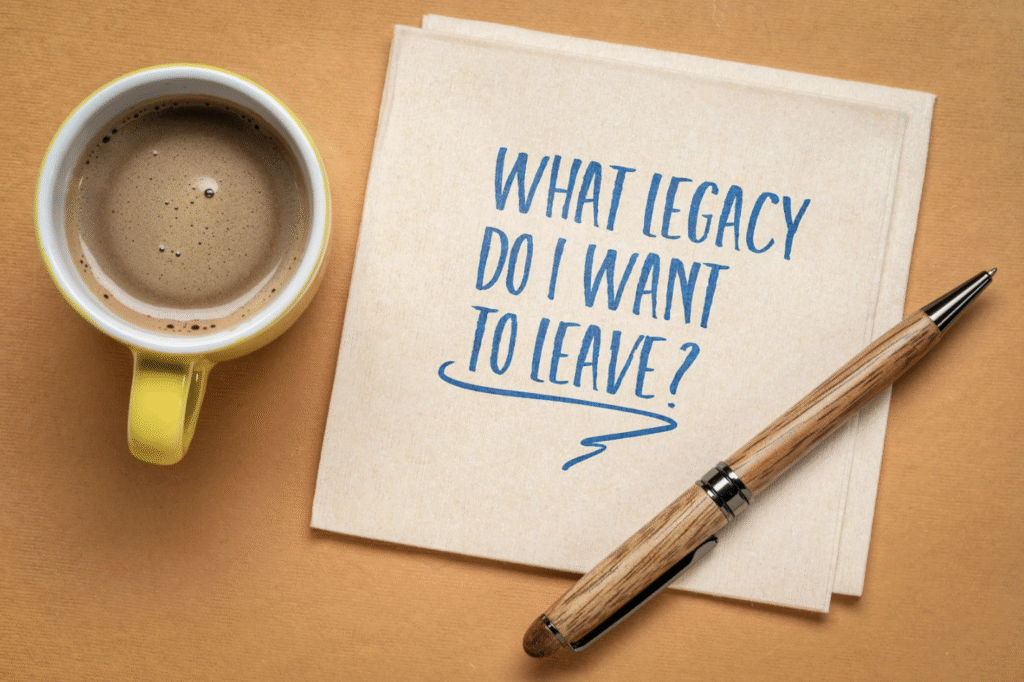
When people hear the word legacy, they often think about money. Who gets what. How much is passed down. Whether assets are divided fairly. While financial planning absolutely matters, most families eventually realize something deeper. What stays with them is not the dollar amount they inherited, but the values, stories, and guidance that came with it. Or the absence of those things.
Leaving a legacy is about far more than an inheritance. It is about how you are remembered, what you stood for, and how your life continues to shape the people you love. With thoughtful planning, you can pass on more than money. You can pass on meaning.
At Shore Estate Law, we often remind families that the most impactful legacies are intentional ones. They do not happen by accident. They are built through reflection, communication, and planning that looks beyond numbers on a balance sheet.
Why Legacy Planning Matters More Than Ever
We are living through one of the largest wealth transfers in history. Trillions of dollars will move from one generation to the next in the coming decades. Yet experience shows that money alone does not create clarity or connection. In many families, it does the opposite. Without guidance, it can create confusion, resentment, or distance.
Legacy planning helps bridge that gap. It allows families to align financial decisions with personal values, reduce misunderstandings, and create purpose around what is being passed on. When done thoughtfully, legacy planning strengthens relationships instead of straining them.
Money can be a gift or a burden. The difference is often whether values and intentions were shared clearly ahead of time.
Values, Not Just Valuables
A true legacy includes the principles you lived by, the lessons you learned, and the example you set. It shows up in how you treated people, how you handled challenges, and what you believed mattered most.
Financial assets are only one part of the picture. Emotional inheritance often leaves a longer lasting impact. Families tend to remember stories, traditions, and shared experiences far more vividly than account balances. Passing on values gives context to financial decisions and helps future generations understand the meaning behind the plan.
Without that context, even well intentioned plans can feel confusing or impersonal.
The Power of Sharing Your Story and Values
One of the most meaningful ways to leave a personal legacy is through a legacy letter, sometimes called an ethical will. This is not a legal document. It is a personal message to your loved ones that shares what you want them to know.
A legacy letter may include:
- Family history and traditions
- Life lessons learned through success or hardship
- Personal values and beliefs
- Hopes for future generations
These letters often become cherished keepsakes. Many families say they return to them again and again, finding comfort, clarity, and guidance long after legal matters are settled.
If you are unsure where to begin, start small. Reflect on the experiences that shaped you. Think about what you hope your children or grandchildren carry forward. Consider what you want them to remember about how you lived your life.
There is no right length or format. What matters is that it is honest and personal.
Legacy Through Family Communication and Clarity
A meaningful legacy is rarely created in silence. When families do not talk about intentions, loved ones are left to fill in the blanks. This can lead to misunderstandings, hurt feelings, or conflict that could have been avoided.
Clear communication helps everyone understand the bigger picture. These conversations are not about sharing every financial detail. They are about explaining the reasoning behind decisions and setting expectations with care and respect.
Families who communicate openly often experience smoother transitions and stronger relationships. Legacy planning becomes a shared understanding rather than a surprise.
At Shore Estate Law, we often encourage families to think about legacy conversations as part of the planning process, not something separate from it.
Creating Impact Through Charitable and Community Giving
For many people, legacy extends beyond family. It includes giving back to causes or communities that reflect deeply held values.
Charitable giving can be incorporated into an estate plan in many ways, including:
- Leaving a gift to a charity through a will or trust
- Naming a nonprofit as a beneficiary of a retirement account
- Creating a donor advised fund
- Establishing scholarships or endowments
Involving family members in charitable decisions can be especially powerful. It teaches generosity, responsibility, and shared purpose. In some families, giving becomes a tradition that continues long after the original gift is made.
Charitable planning is not about the size of the gift. It is about alignment with values and the impact you want to make.
Passing Down Responsibility, Not Just Wealth
Many parents worry about whether their children will be prepared to handle an inheritance responsibly. Wealth passed down without guidance can feel overwhelming or even burdensome.
Legacy planning creates opportunities to pass down responsibility alongside assets. This might include:
- Family meetings to discuss values and expectations
- Shared charitable activities
- Structured inheritances tied to life milestones
- Education around financial decision making
When responsibility is part of the plan, an inheritance becomes a tool for growth rather than a source of stress or division.
The Modern Legacy: Digital Life and Personal Memories
Today, legacy also includes digital life. Photos stored in the cloud. Emails. Social media accounts. Online subscriptions. Digital wallets. These assets often hold both emotional and practical value.
Without planning, families may lose access to irreplaceable memories or struggle to manage digital accounts. Taking time to document digital assets, provide instructions, and name trusted individuals to handle them helps preserve this part of your story.
Digital legacy planning ensures that your memories are protected alongside your finances.
Real Life Examples of Meaningful Legacies
Some families remember a handwritten letter that guided them through difficult decisions years later. Others recall a tradition of giving that shaped how they view community and responsibility. There are also families who wish they had clearer communication, after learning that silence left room for painful assumptions.
These stories all point to the same truth. Legacy is created intentionally. It is shaped by actions, conversations, and planning that happen while you are alive.
When and How to Start Thinking About Your Legacy
Legacy planning is not about age or net worth. It is about reflection and intention. The best time to start is when you can think clearly about what matters most to you.
You do not need to do everything at once. Small steps can have a lasting impact. Write a letter. Start a conversation. Identify the values you want to pass on. Legal documents support your legacy, but they are not the starting point.
The Legacy You Leave Starts Today
Leaving a legacy is about more than money. It is about meaning, connection, and the influence you have on the people and causes you care about. Financial planning provides structure. Values give it purpose.
The legacy you leave is shaped by how you live, what you communicate, and the choices you make today.
If you want to create a legacy that reflects your values and protects your family, thoughtful planning is the first step.
Ready to start shaping the legacy you want to leave? Register for a Workshop or Request a Consultation with Shore Estate Law to begin the conversation.