
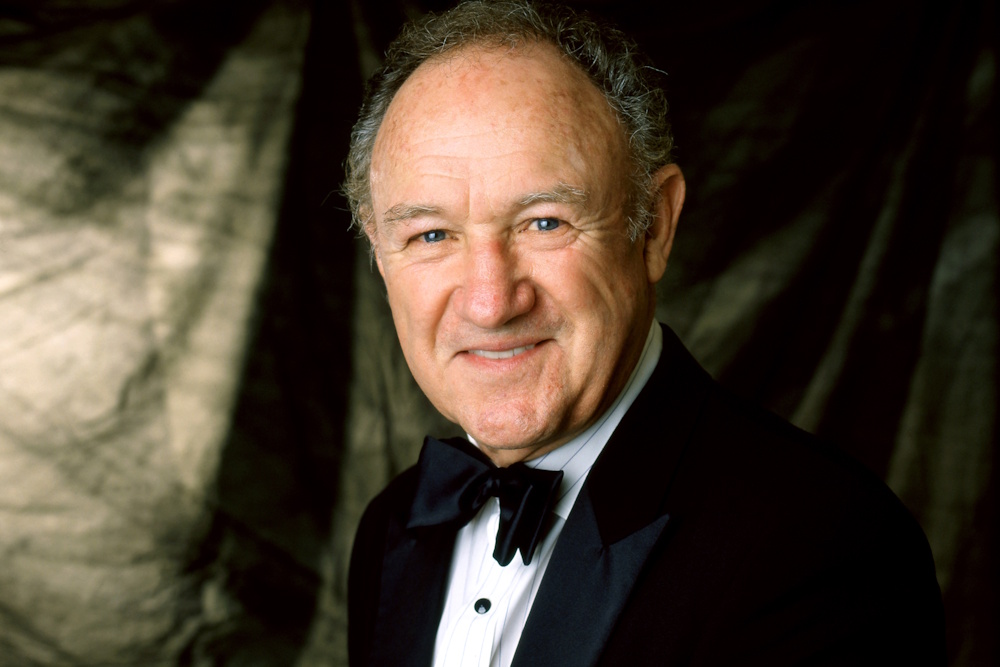
When Gene Hackman passed away in February 2025 at age 95, he left behind a powerful Hollywood legacy—and an unexpected legal dilemma. For all his success and resources, Hackman’s estate plan missed some crucial steps. And unfortunately, that’s something many families, even outside the spotlight, experience every day.
At Shore Estate Law, we understand how emotional estate planning can be. It’s personal, it’s sometimes complicated—and when it’s not done carefully, the people you care about most are the ones who suffer. Hackman’s story is a helpful example of how easy it is to overlook the very protections your family may one day need.
What Went Wrong with Hackman’s Estate?
Hackman had updated his will back in 2005, leaving his entire estate—valued at approximately $80 million—to his wife, Betsy Arakawa. Tragically, Betsy passed away just one week before he did. And because Hackman had not named any backup beneficiaries, his estate was left in limbo.
Even though his intention was clear—everything to Betsy—the lack of a contingency plan opened the door for confusion. His three adult children, not mentioned in the will, may now inherit everything. Meanwhile, charitable causes named in Betsy’s estate plan may also try to claim a share.
This kind of uncertainty is stressful and avoidable.
5 Lessons We Can Learn From Hackman’s Mistakes
- Keep Your Estate Plan Updated
A lot changes in 20 years. Families grow, laws shift, and your priorities may evolve. Hackman’s outdated plan is a reminder of how quickly things can get out of sync.
What to Do: We recommend reviewing your estate plan every 3–5 years or after any major life change—marriage, divorce, new children or grandchildren, health issues, a move, or changes in finances.
- Always Include Backup Beneficiaries
Hackman’s will named only his wife. When she died before him, there was no second choice. That’s where the trouble began.
What to Do: Always name alternate (or “contingent”) beneficiaries. This ensures your wishes are honored even if your primary choice isn’t able to receive the inheritance.
- Consider Using a Living Trust
Relying solely on a will can force your estate through probate—a public and potentially expensive process. A trust allows you to avoid court and keep things private and efficient.
What to Do: A well-drafted living trust can protect your legacy, simplify asset transfers, and keep your affairs out of probate. We’ll help you determine if a trust is right for your situation.
- Plan for the Possibility of Incapacity
There are reports that Hackman was experiencing memory issues in the years before his death. Without powers of attorney in place, managing his healthcare and finances would have been challenging for those around him.
What to Do: Everyone—regardless of age—should have financial and healthcare powers of attorney. These documents allow someone you trust to step in if you ever can’t make decisions yourself.
- Communicate Honestly About Your Wishes
Hackman had publicly acknowledged difficulties in his relationships with his children. If your family dynamics are complex, your estate plan should reflect that—but it should also be clear and documented thoughtfully to reduce conflict.
What to Do: If you’re making choices that might raise questions later—like leaving unequal gifts or excluding someone—it’s important to explain your reasoning in your documents and, when appropriate, in person.
Signs Your Estate Plan May Need an Update
Take a moment to consider:
- Is your estate plan more than 5 years old?
- Have you gone through a major life event recently?
- Have you moved to a new state?
- Has your health changed?
- Do you only have a will, but no trust?
- Have you updated your beneficiary designations recently?
- Has your net worth significantly changed?
- Do you own a business or have digital/intellectual property?
If you answered yes to any of these, now is the time to review your plan.
What Happens Without a Backup Plan?
In Hackman’s case, the courts may now decide what happens next. His children may inherit everything by default—but charitable organizations tied to Betsy’s wishes could also step in. And with no direction left behind, legal fees and taxes will take a larger bite.
These situations are exactly what we help families avoid.
You Don’t Need to Be a Celebrity to Protect What Matters Most
At Shore Estate Law, we’re here to help everyday families take control of their legacies—no drama, no court battles, and no second-guessing. Whether your estate is modest or more complex, the foundation is the same:
- Make a plan
- Keep it up to date
- Prepare for the unexpected
- Communicate with your loved ones
Gene Hackman’s story is a reminder: estate planning isn’t about how much you have—it’s about making sure the people you love are taken care of when you no longer can.
Ready to create or update your plan?
Request a Consultation with Shore Estate Law and let’s talk about how to protect what matters most to you.