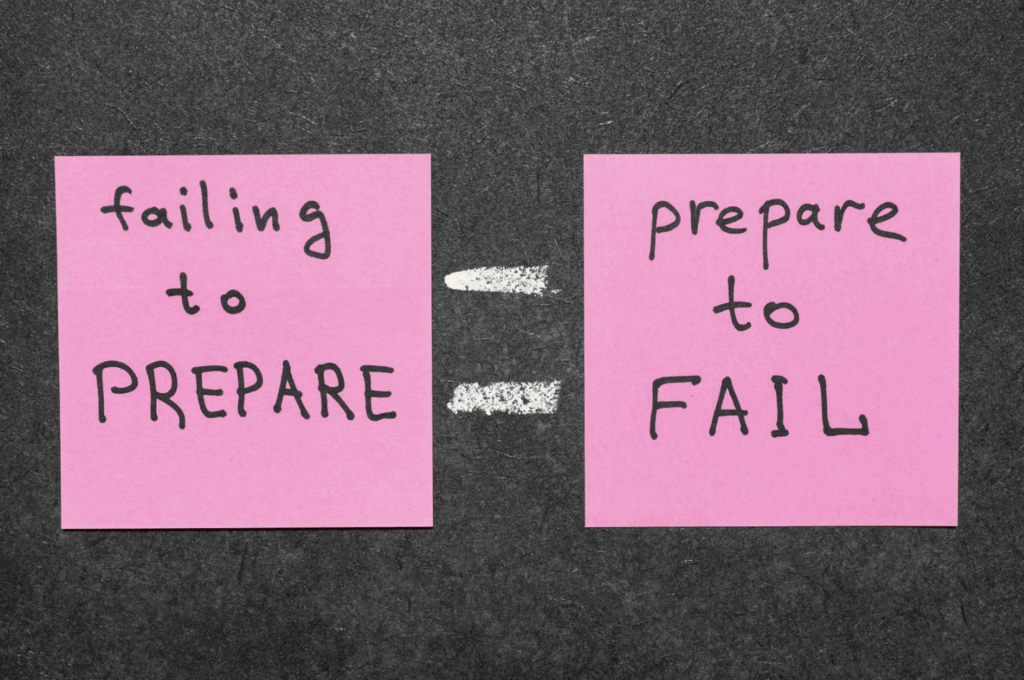

Estate planning has a way of landing at the bottom of the to-do list, somewhere below scheduling the dentist and sorting through that mysterious pile on the kitchen counter.
Work is busy. The kids need something. Everyone is healthy. Surely, this can wait.
I understand. Here on the South Coast, our days fill up quickly with work, family, and showing up for the people we love.
But estate planning is most helpful before an unexpected event rearranges that calendar for you.
You do not need to anticipate a crisis. You simply need to give yourself time to make thoughtful decisions and leave your family clear guidance.
Why Do So Many People Put Estate Planning Off?
Usually, people are not against planning. They just intend to get around to it.
After vacation. Once the kids are older. When retirement gets closer.
Others assume they are too young, do not own enough, or have already explained their wishes to their family.
Those feelings are understandable. Talking about incapacity or death rarely tops anyone’s list of enjoyable afternoon activities.
At Shore Estate Law, I encourage people to start while life feels manageable. There is room to ask questions, consider options, and have conversations without an emergency setting the pace.
Estate Planning Is About More Than What Happens After Death
A will addresses what happens after you die. Other parts of your estate plan can help protect you while you are living.
Who would handle the bills if an accident left you unable to manage them? Who would make healthcare decisions if you could not?
In Massachusetts, a durable financial power of attorney and a healthcare proxy can help establish authority for those different responsibilities.
Your family may know you better than anyone. That does not automatically give them legal authority to handle every financial or healthcare matter.
Planning helps connect your wishes with the appropriate documents.
The Best Time to Choose Someone Is Before You Need Them
Choosing someone to manage your finances deserves more thought than choosing who brings dessert to Sunday dinner.
You want someone trustworthy, capable, and willing to take on the responsibility.
Planning ahead gives you time to discuss expectations, name appropriate backups, and understand the authority you are granting.
Without suitable documents, incapacity may leave loved ones needing court involvement before they can handle certain matters.
That can mean additional time, expense, and stress.
Making these choices now gives your family a clearer starting point if they ever need to step in.
“My Family Knows What I Want” May Not Be Enough
Your spouse knows your coffee order. Your children know which holiday traditions are absolutely nonnegotiable.
Medical decisions can be more complicated.
Imagine three adult children trying to interpret different conversations about what their mother would want. Everyone loves her. Everyone remembers something different.
Nobody wants a family disagreement unfolding beside a hospital bed.
Discussing your values, documenting your preferences, and choosing a healthcare agent can help reduce that uncertainty.
The conversation matters as much as the paperwork. Give the person you choose a chance to understand what is important to you.
Waiting for a Crisis Can Make Planning More Complicated
Creating or changing estate planning documents requires the necessary legal capacity. The standard depends on the document and applicable law.
A dementia diagnosis does not automatically mean someone cannot plan. However, changes in understanding or decision-making ability can complicate the process.
A serious illness may also leave you tired, overwhelmed, or with less time to consider your options.
Starting early gives you breathing room.
You can ask the follow-up question, sleep on a decision, and talk things through with the people involved. Those opportunities are valuable when the decisions concern your care, family, and future.
You Do Not Have to Be Wealthy to Need an Estate Plan
The word “estate” sounds grand. You may picture a gated driveway and someone whose job involves polishing silver.
Your own life is reason enough to plan.
Parents can nominate guardians for their minor children, subject to court approval. Adults can choose people to handle financial and healthcare decisions if needed.
You may also have a home, pets, digital accounts, or belongings with deep sentimental value.
This is the South Coast. Sometimes the most meaningful inheritance is the family home where everyone gathered, or a recipe box that no one could possibly put a price on.
Your Will Is Only One Part of the Plan
A will is important, but it does not control every asset.
Retirement accounts and life insurance policies commonly pass through beneficiary designations. Ownership arrangements can also affect how property transfers.
Updating your will without reviewing those details can leave your plan out of step with your intentions.
An outdated beneficiary designation or an account you forgot about may create confusion.
A coordinated plan considers how these pieces fit together. It also helps the right people know where to find the documents when they need them.
Your Estate Plan Can Change as Your Life Changes
You do not need every answer about the next thirty years before getting started.
Life changes. Your plan should be reviewed along with it.
Marriage, divorce, children, grandchildren, retirement, a move, or a death in the family can all prompt a review.
Many documents can be updated when circumstances change, although some arrangements have restrictions.
The goal is a thoughtful plan for your life today, with attention to what changes tomorrow.
Give Your Family Instructions Instead of Questions
When someone is ill or has died, even ordinary tasks can feel difficult.
Clear instructions can spare loved ones additional uncertainty about who should act, where documents are kept, and what you wanted.
Planning cannot remove grief. It can make practical responsibilities easier to navigate.
That is a meaningful way to care for your people.
Do Not Wait Until Estate Planning Becomes an Emergency
If life feels relatively calm, use that opportunity to begin.
At Shore Estate Law, I am your estate planning attorney and your neighbor, helping individuals and families in Wareham, Massachusetts, and across our South Coast community make thoughtful choices.
Bring your questions. You do not need everything figured out before we talk.