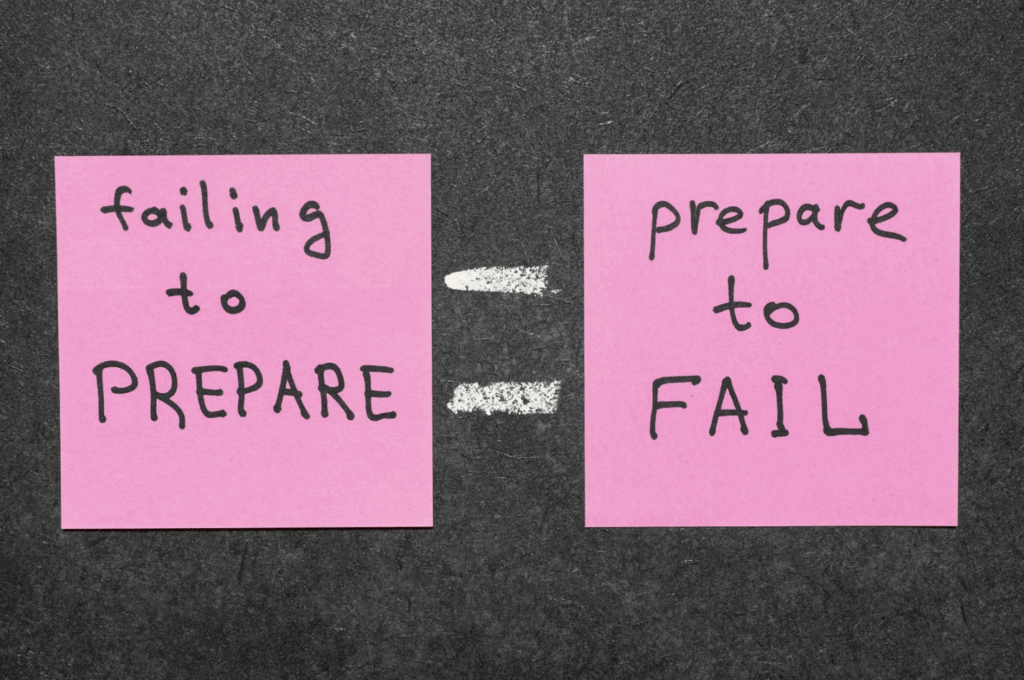


We know—2026 sounds like a distant dot on the calendar. But in the world of estate planning? It’s closer than you think. And the countdown isn’t just about birthdays or summer vacations—it’s about a major shift in federal estate tax law that could change what your family inherits.
Right now, the estate and gift tax exemptions are historically high. But if Congress doesn’t intervene, those exemptions will be slashed in half on January 1, 2026. Translation? If your estate is on the cusp of those limits, a big chunk could go to taxes instead of your loved ones.
At Shore Estate Law, we’re all about smart, empowered planning—because reacting in a panic is never part of the strategy.
The Big Shift Is Coming—But You’ve Got Time (If You Use It)
Currently, each person can pass on up to $13.99 million tax-free—and for married couples, it’s nearly $28 million. But come 2026? That exemption could drop to around $7 million per person.
If your estate is hovering near that threshold, you could be setting up your family for a future tax bill that feels more like a plot twist than a plan.
Even if you’re well under today’s limit, think about your long game. Markets grow, real estate appreciates, and yes—your nest egg could blossom into a taxable estate faster than you expect. A $12 million estate today could easily be $15 million by 2026. And guess what? That appreciation may not be protected.
Credit Shelter Trusts: Still Got It?
Remember Credit Shelter Trusts (CSTs)? They’ve been around forever and used to be the estate planning darling for married couples. One spouse passes away, and a portion of the estate slips into a trust—protected from estate tax when the second spouse dies.
After the 2017 tax overhaul, CSTs took a little nap. But with the sunset of current exemptions, they’re making a fashionable comeback.
One caveat: assets in CSTs only get a single step-up in cost basis, which can lead to capital gains taxes later for your heirs. Some families prefer a “disclaimer trust” that lets the surviving spouse choose whether to fund it after the first death. More flexibility, yes—but also more pressure (and a deadline) when emotions are high.
So, if your estate might be in the hot zone? Let’s talk about which trust options fit best—before you’re racing the clock.
It’s Not Just About Now—It’s About What’s Next
Let’s play with some numbers. A couple with $12 million today, earning a conservative 6% annually, could see their estate grow past $14.5 million by 2026. That’s right on the line of the projected lower exemption.
Acting now means you can use today’s generous exemptions to shift high-growth assets or lock in tax-free gifts.
Here’s how:
- Annual gift exclusions: $19,000 per person in 2025
- Lifetime exemption gifting: Use your full exemption now to transfer wealth
- Irrevocable trusts: Shield appreciating assets and reduce future taxes
- Charitable giving: Do good while reducing what’s taxable
Planning isn’t about giving things away—it’s about being intentional with what you keep, protect, and pass on.
Think You’re Safe? You Might Still Want a Refresh
It’s easy to assume you’re fine if your estate isn’t at risk of hitting those tax caps. But life happens. Kids grow up. Marriages change. You inherit property. That one startup investment finally pops.
And sometimes, the executor you named years ago isn’t the right person anymore. Estate planning isn’t a “set it and forget it” kind of thing. It’s a living, breathing plan—and it should grow right along with you.
Plan Now, Stress Less Later
Here’s the truth: estate taxes, family disputes, and probate court drama are like weeds. If you don’t tend your garden now, they’ll take over.
At Shore Estate Law, we help you sort through the technical stuff with grace, humor, and a whole lot of heart. We make it our mission to ensure your plan is clear, current, and confident—so your loved ones aren’t left picking up the pieces.
Request a consultation today, and let’s get ahead of the curve—before tax law changes make everything harder (and more expensive) than it needs to be.